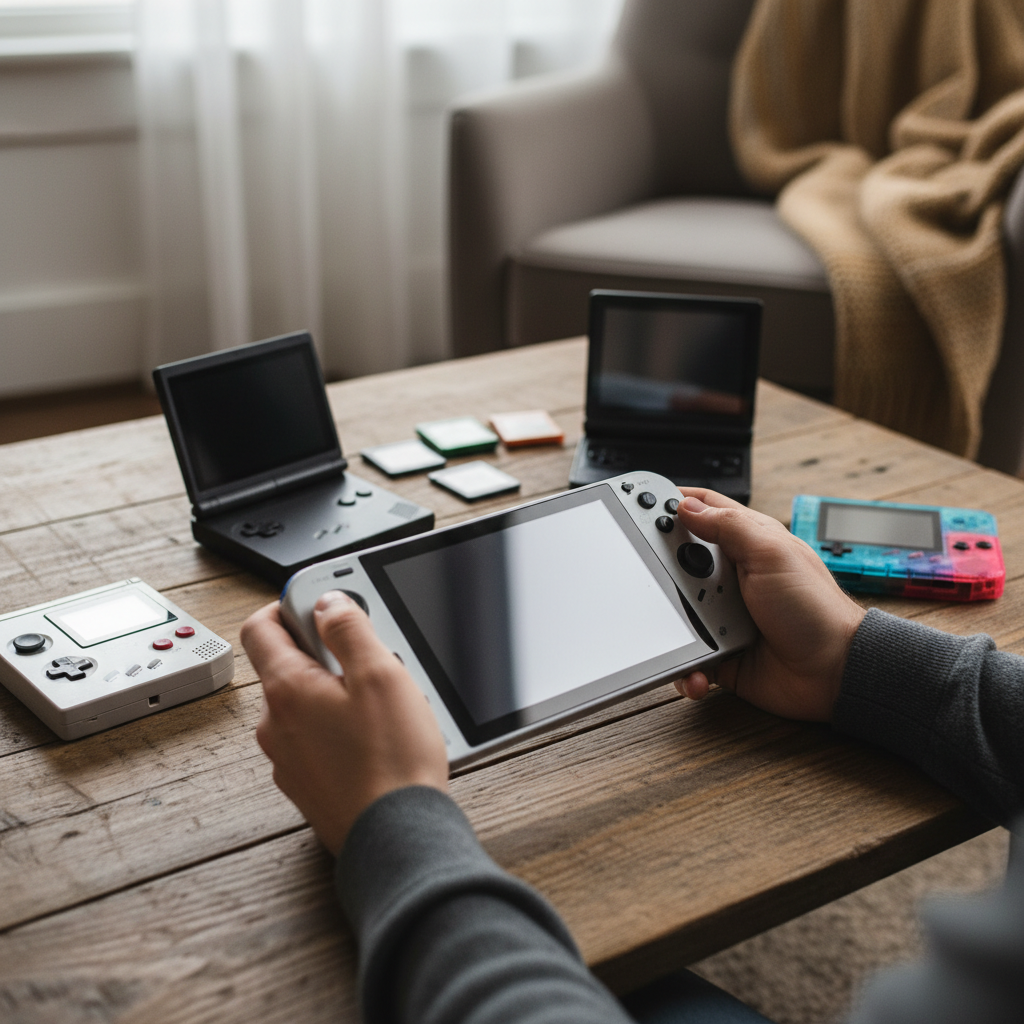
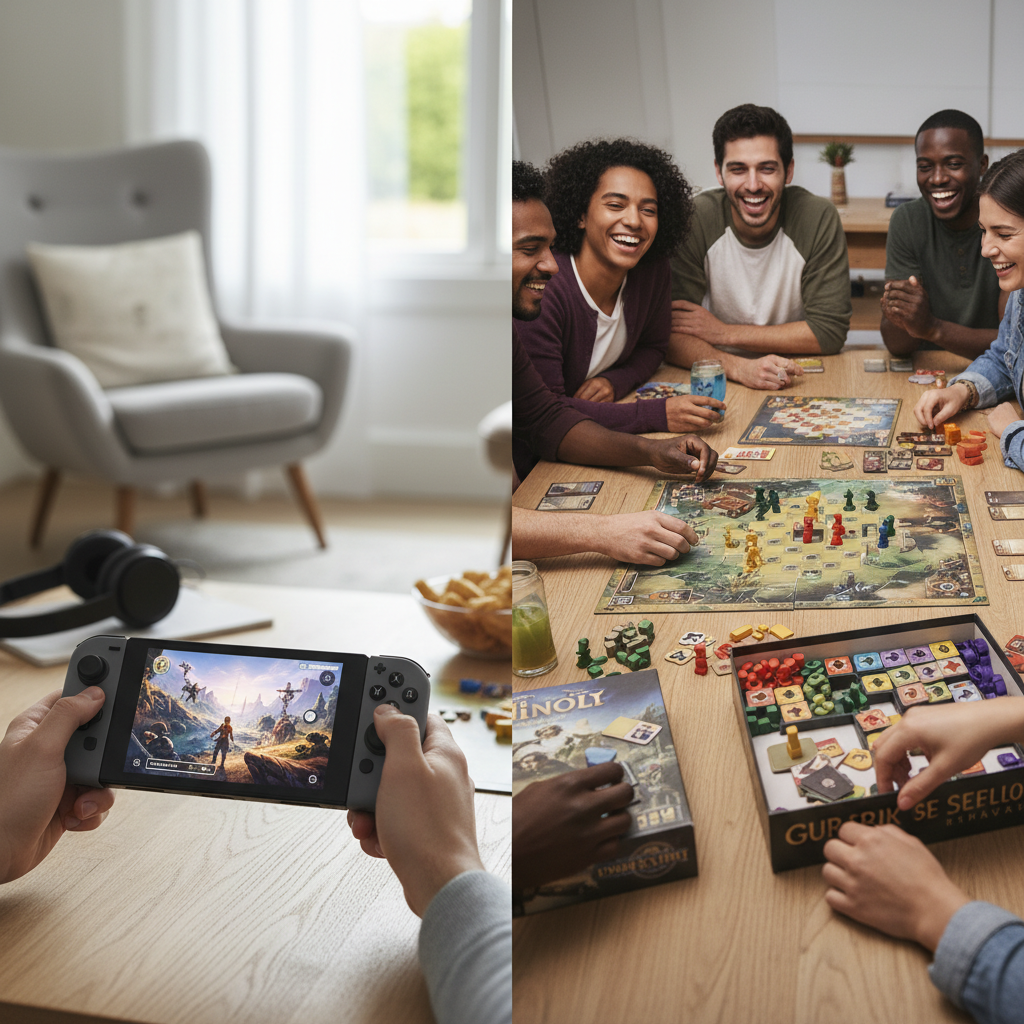
The landscape of entertainment offers a compelling dichotomy for gamers: the thrilling digital escapades provided by handheld game consoles and the rich, tangible social dynamics of board games. Each offers a unique doorway to fun, challenge, and connection, but they cater to different cravings and lifestyles. Understanding the core distinctions and benefits of both can help you pinpoint which gaming avenue will bring you the most joy and align best with your personal preferences and social life.
Handheld Game Consoles: A Pocket-Sized Universe
Handheld game consoles are portable electronic devices specifically engineered for playing video games on the move. From the monochromatic screens of the original Game Boy to today’s powerful, vibrant PC handhelds, these devices have evolved dramatically, constantly pushing the boundaries of what portable gaming can offer. Unlike smartphones or tablets, handheld consoles boast dedicated physical controls, optimized hardware, and often curated game libraries designed to provide a superior gaming experience that’s more immersive and precise.
Why Choose a Handheld Game Console?
The allure of a handheld game console lies in its ability to bring high-quality gaming into any environment, creating a personal entertainment hub that travels with you.
- Portability & Convenience: Handhelds excel in offering gaming freedom. Whether you’re commuting, taking a lunch break, or traveling, these devices let you pick up and play anywhere, anytime. Their compact nature allows for flexible gaming positions, from reclining on a couch to relaxing in a park.
- Dedicated Gaming Experience: With physical buttons, joysticks, and optimized internal components, handhelds deliver a gaming experience far superior to most mobile phones. The screen’s proximity often creates a highly immersive feel, drawing you deeper into virtual worlds.
- Vast Game Libraries: Modern handhelds, especially PC-based ones like the Steam Deck or ASUS ROG Ally, grant access to extensive digital game libraries, including many AAA titles. The Nintendo Switch offers its own unique ecosystem of exclusive, often family-friendly games. Many titles are perfectly suited for both quick, bite-sized sessions and extended play.
- Versatility: Several contemporary handheld consoles, such as the Nintendo Switch, offer a hybrid experience, allowing them to be docked and connected to a TV for a traditional console setup at home. Many also support online multiplayer, connecting you with friends across the globe.
- Privacy & Less Distraction: Playing on a handheld can be a more personal activity. Game audio is typically directed towards the player, making it less disruptive to others nearby, fostering a sense of individual immersion.
|
Our Picks for the Best Handheld game console in 2026
As an Amazon Associate I earn from qualifying purchases.
|
||
| Num | Product | Action |
|---|---|---|
| 1 | Retro Handheld Game Console of Boy Portable Hand Held Video Games X9 Preloaded Wireless Juegos para Niños Stick TV Pixel Gaming for Kids Sf3000 Plug 'n' Play Drive Systems De Juegos Portátil |

|
| 2 | 32 Bit Handheld Games for Kids Preloaded 139 Video Games, Portable Video Gaming Player with 3.0" IPS Screen and Rechargeable Battery, Mini Travel Games Electronic Gifts Toys for Boys Girls, Blue |
|
| 3 | R36MAX Handheld Game Console - 4.0-Inch Screen, Support 22000+Classic Games,128G TF Card,Portable Console with Open Source System,4000mAh Battery,Birthday Gift for Adult or Partner - Black |
|
| 4 | R36MAX Retro Handheld Game Console, 4.0 Inch IPS HD Screen Portable Retro Gaming Console, 1.5GHz CPU Support 30+ Emulator Console Video Game Console, 4000mAh Battery (64GB Black) |
|
| 5 | RG56PRO Retro Handheld Game Console - 5.5 Inch IPS Screen,31000+ Classic 3D Games,5000mAh Battery, Open Linux System,Portable Console with 128G TF Card - Birthday Gift for Boyfriend (Black) |
|
| 6 | R36MAX Retro Handheld Game Console, 4.0 Inch 720x720 IPS Screen, 64GB Built-in 18,000+ Classic Game, Portable Hand Held Open Source Linux System, 4000mAh Battery Retro Gaming Console(Black 64GB) |
|
| 7 | Handheld Game for Kids -Preloaded 220 Retro Video Games, Portable Gaming Player with Rechargeable Battery 3.0" LCD Screen, Mini Arcade Electronic Toy Gifts for Boys Girls (Red) |
|
| 8 | ASUS ROG Xbox Ally – 7” 1080p 120Hz Touchscreen Gaming Handheld, 3-month Xbox Game Pass Premium included, AMD Ryzen Z2 A, 16GB RAM, 512GB SSD, White |
|
| 9 | Handheld Game for Kids -Preloaded 220 Retro Video Games, Portable Gaming Player with Rechargeable Battery 3.0" LCD Screen, Mini Arcade Electronic Toy Gifts for Boys Girls (Blue) |
|
| 10 | R36MAX Retro Handheld Game Console, 4.0 Inch 720x720 IPS Screen, 64GB Built-in 18,000+ Classic Game, Portable Hand Held Open Source Linux System, 4000mAh Battery Retro Gaming Console(White 64GB) |
|
Drawbacks of Handheld Game Consoles
Despite their numerous advantages, handheld game consoles come with their own set of limitations that might influence a player’s choice.
- Limited Performance/Graphics: While vastly improved, handhelds often make compromises on graphical fidelity or frame rates compared to their home console or PC counterparts to maintain portability and battery efficiency.
- Battery Life: One of the most common complaints, battery life can be a significant hurdle, especially when playing graphically intensive games. Frequent charging or reliance on power banks becomes a necessity for extended sessions away from an outlet.
- Ergonomics & Comfort: The compact design, while great for portability, can lead to hand fatigue, wrist strain, or poor posture during prolonged play, especially for adults with larger hands. The small buttons and joysticks can also be less comfortable than full-sized controllers.
- Cost: High-end handheld gaming PCs can be a substantial investment, with initial prices rivalling or exceeding some traditional home consoles. Beyond the device itself, digital games also represent an ongoing cost.
- Compatibility Issues: Not all games are optimized to run perfectly on every handheld, and some titles may encounter performance or compatibility problems depending on the device’s hardware and operating system.
- Screen Time/Digital Overload: Engaging with handheld consoles adds to overall digital screen time, which for some, is a concern in an increasingly digital world.
[image-1|handheld-gaming-console-player|A person playing a modern handheld gaming console on a train, highlighting its portability|
A person in their late 20s, with a relaxed expression, engrossed in playing a sleek, modern handheld gaming console on a train. The console has a vibrant screen and ergonomic controls. The background shows blurred train window scenery, suggesting movement and travel. The lighting is soft and natural, emphasizing comfort and portability. Style: Realistic, editorial.]
Popular Handheld Game Consoles
The market for handhelds is diverse, offering options for every type of gamer:
- Nintendo Switch (Standard, Lite, OLED): Known for its unique hybrid design, the Switch offers both handheld and docked TV play. It boasts an impressive library of exclusive, often family-friendly titles like The Legend of Zelda and Super Mario. The Lite is a dedicated handheld, while the OLED model features a more vibrant screen.
- Steam Deck / ASUS ROG Ally / Lenovo Legion Go: These devices represent the rise of PC handhelds. They run PC games directly, giving users access to vast libraries from platforms like Steam, Epic Games, and more. They generally offer higher performance for demanding titles but come with a higher price tag and often shorter battery life.
- Retro Handhelds (e.g., Retroid Pocket, Anbernic, Powkiddy): Catering to nostalgic gamers, these devices specialize in emulating older console games. They are typically more affordable and offer a portal to classic gaming experiences.
Board Games: The Timeless Tabletop Tradition
Board games, at their heart, are physical games played on a pre-marked board, utilizing tangible pieces, cards, dice, and other components to follow a set of rules. With roots tracing back thousands of years, they represent a timeless form of entertainment that has adapted from ancient strategy games to complex modern designs. Unlike video games, board games inherently foster face-to-face interaction and provide a distinct, tactile experience that digital platforms cannot replicate.
Why Choose Board Games?
Board games are cherished for their ability to bring people together, stimulate the mind, and offer a refreshing break from the digital world.
- Social Interaction & Connection: A primary draw of board games is their capacity to facilitate genuine face-to-face social interaction. They encourage cooperation, friendly competition, negotiation, and storytelling, strengthening bonds among friends and family in a low-pressure environment.
- Cognitive Benefits: Engaging with board games is a workout for the brain. They enhance critical thinking, problem-solving, decision-making, memory retention, and strategic planning skills. Studies suggest that such stimulating leisure activities may even help protect against cognitive decline.
- Reduced Screen Time: In an era dominated by screens, board games offer a valuable opportunity to disconnect from digital devices. This break can lead to improved mood, better sleep quality, and a greater sense of presence.
- Emotional & Mental Well-being: The act of playing and laughing during a board game session can trigger the release of endorphins, leading to reduced stress, increased calmness, and a boost in overall happiness. They also provide a non-intrusive way for individuals to develop creativity and self-confidence.
- Tangible & Timeless: There’s a unique satisfaction in handling physical game components—rolling dice, shuffling cards, and moving pieces. Board games don’t require batteries or software updates, making them inherently durable and often capable of being passed down through generations.
Drawbacks of Board Games
While offering distinct advantages, board games also present certain limitations that players should consider.
- Space & Setup: Many modern board games, especially those with intricate designs and numerous components, require significant table space. Setting up these games can be time-consuming, sometimes taking longer than the actual playtime for complex titles.
- Player Dependency: Most board games require multiple players, which means coordinating schedules and gathering people can be a challenge. Solo versions exist for some games, but the core experience often relies on group interaction.
- Social Challenges: While promoting social interaction, board games can also sometimes lead to conflict, frustration, or competitive stress among players, particularly when skill levels or personalities clash. Learning complex rules can also be a hurdle for some.
- Cost: High-quality, modern board games can be expensive, with the initial purchase often representing a significant investment, especially for larger, more complex titles.
- Portability (Limited): Compared to handheld consoles, board games are significantly less portable. They typically require a dedicated space to be played and are not conducive to gaming on the go, such as during commutes or quick breaks.
- Sedentary Lifestyle: Prolonged board game sessions, like any sedentary activity, can contribute to health risks if not balanced with physical activity.
- Learning Curve: Some advanced board games come with dense rulebooks and steep learning curves, which can be intimidating for new players and require a dedicated effort to master.
- Mess: Many games involve numerous small pieces that can easily be lost or left scattered after play, requiring diligent organization and storage.
[image-2|board-game-family-fun|A diverse group of friends or a family happily playing a modern board game around a brightly lit table.|
A diverse group of 4-5 friends or a family, laughing and actively engaged in playing a colorful modern board game around a well-lit wooden table. Game pieces, cards, and dice are visible. The setting is warm and inviting, suggesting a cozy evening. Focus on natural interaction and joy. Style: Realistic, warm, inviting.]
Handheld Game Console vs Board Games: A Comparative Table
To help you visualize the differences, here’s a detailed comparison:
| Feature | Handheld Game Consoles | Board Games |
|---|---|---|
| Portability | High (play virtually anywhere) | Low (requires dedicated space, typically multiple players) |
| Interaction | Primarily solo, with online multiplayer options | Primarily face-to-face social interaction |
| Sensory Experience | Digital graphics, immersive audio, haptic feedback | Tactile components, physical manipulation, audible conversation |
| Cognitive Benefits | Improves reflexes, digital problem-solving, strategy | Enhances critical thinking, social skills, memory, negotiation |
| Screen Time | Contributes to digital screen time | Offers a break from digital screens |
| Setup Time | Minimal (power on and play) | Can be significant (unboxing components, setting up, explaining rules) |
| Cost | Initial device cost, digital game purchases, accessories | Game purchase (one-time for physical copy), storage solutions |
| Power Needs | Battery-dependent, requires regular charging | None (physical components, no electricity needed) |
| Game Library | Vast digital libraries, indie to AAA titles, platform exclusives | Diverse genres, from simple party games to complex strategy, high replayability |
| Physical Comfort | Can cause hand/neck strain due to compact design | Prolonged sitting, but generally better ergonomics with a table |
Buying Guide: Choosing Your Perfect Play
Deciding between a handheld game console and board games, or figuring out how to balance both, comes down to understanding your personal gaming habits and preferences.
Identify Your Primary Gaming Needs
- What kind of games do you truly enjoy? Are you drawn to rich, narrative-driven RPGs, fast-paced action games, casual puzzles, complex strategic battles, or social party experiences?
- How important is portability in your life? Do you travel frequently, commute daily, or simply prefer the flexibility of playing anywhere in your home?
- Who do you typically play with? Do you primarily game solo, connect with online friends, or prefer in-person gatherings with family and friends?
- What’s your budget? Consider both the initial investment in hardware or game sets and the ongoing costs of new titles or accessories.
- How much time do you have for gaming? Are you looking for quick, pick-up-and-play sessions, or do you have dedicated blocks of time for longer, more involved experiences?
Key Factors to Consider
- Social Preference: Do you crave deep, face-to-face interaction, or do you prefer solo adventures or online communication?
- Environment: Where do you envision yourself gaming most often—on a bus, in bed, at a friend’s house, or around a large table at home?
- Cognitive Goal: Are you seeking a reflex-driven, immersive digital escape, or do you prefer challenges that engage strategic thinking, negotiation, and social dynamics?
- Physical vs. Digital Preference: Do you prefer the tactile satisfaction of physical components, or the convenience and expansive possibilities of digital libraries?
Recommendations for Different Player Types
- The On-the-Go Gamer: A handheld console like a Nintendo Switch Lite or Steam Deck is ideal for seamless gaming during commutes, travel, or quick breaks.
- The Social Strategist: If fostering in-person connections and engaging in deep strategic thinking is your priority, board games like Settlers of Catan, Ticket to Ride, or cooperative titles are perfect.
- The Immersive Storyteller: For those who relish deep narratives and expansive worlds, a powerful PC handheld (Steam Deck, ROG Ally) can deliver AAA experiences on the go, while a Nintendo Switch offers excellent exclusive RPGs.
- The Family Fun Seeker: The Nintendo Switch with its hybrid nature (handheld and TV play) and a wealth of multi-player games is a strong contender. Alternatively, a collection of engaging cooperative board games can bring everyone together.
- The Retro Enthusiast: Dedicated retro handhelds offer a curated experience for classic games, while certain board games evoke a timeless, nostalgic feel.
Top Picks: Blending the Best of Both Worlds
For those who enjoy a bit of everything, some options brilliantly bridge the gap:
- Nintendo Switch: This console stands out as a true hybrid, allowing seamless transition between a personal handheld experience and a shared living room console. Its diverse game library includes titles that appeal to both solo adventurers and party-game enthusiasts.
- Modern PC Handhelds (e.g., Steam Deck, ROG Ally): While primarily digital, these devices offer the power to play complex PC games anywhere. They provide a console-like experience on the go, often with the ability to connect to external displays and controllers, blurring the lines between portable and home gaming.
- Cooperative Board Games: Games like Pandemic or Spirit Island offer the communal, strategic fun of board games without the competitive friction, making them great for fostering teamwork and shared accomplishments.
Tips for Maximizing Your Gaming Experience
To truly get the most out of your chosen gaming medium, a few simple tips can make a big difference:
- For Handhelds: Invest in quality accessories such as ergonomic grips for comfort, a portable charger for extended play, and a screen protector. Consider comfortable headphones for immersive audio without disturbing others. Remember to take regular breaks to prevent eye strain and maintain good posture.
- For Board Games: Designate a regular “game night” to make it a consistent social event. Be open to exploring different genres to find what resonates with your group. When learning new games, be patient with the rules and prioritize fun and interaction over competitive winning. Investing in game organizers or card sleeves can also enhance the experience and longevity of your collection.
[image-3|gaming-accessories-comparison|A side-by-side comparison of handheld console accessories (grip, power bank, headphones) and board game accessories (card sleeves, dice tower, game organizer).|
A clear, well-lit photograph comparing accessories for both gaming types. On the left, a sleek ergonomic grip attached to a handheld console, a compact power bank, and a pair of modern wireless headphones. On the right, a stack of clear card sleeves, a decorative dice tower, and a modular board game organizer filled with neatly sorted components. Both sets of items are displayed on a neutral background, highlighting their utility. Style: Product photography, clean, informative.]
Accessories for Enhanced Play
Enhancing your gaming setup with the right accessories can significantly elevate your experience.
- Handheld Game Consoles: Essential accessories often include a sturdy carrying case, screen protectors to guard against scratches, and ergonomic grips that improve comfort during long play sessions. Portable power banks are crucial for maintaining battery life on the go, while quality headphones provide immersive audio. For hybrid consoles, external controllers and docking stations can transform the handheld into a home console experience.
- Board Games: Practical accessories for board game enthusiasts include card sleeves to protect valuable game cards, playmats to define the playing area and protect tabletops, and various storage solutions or inserts to keep components organized and reduce setup time. Dice towers can add flair and ensure fair rolls, while dedicated game tables can provide ample space and features for epic game nights.
Conclusion
Both handheld game consoles and board games offer distinct, enriching worlds of play, each with its unique blend of advantages and limitations. Handheld consoles provide unparalleled portability and immersive digital experiences, perfect for personal adventures on the go. Board games, on the other hand, shine as catalysts for face-to-face social interaction, fostering cognitive growth and shared memories around a table.
Ultimately, the “best” choice isn’t about one being inherently superior, but about aligning with your lifestyle, priorities, and what kind of enjoyment you seek. Whether you gravitate towards the immediate, portable digital adventures of a powerful handheld or the tactile, strategic social challenges of a well-crafted board game, embracing the form of play that resonates most deeply with you is key. What does your ideal gaming scenario look like?
Frequently Asked Questions
Are handheld consoles replacing board games?
No, handheld consoles are not replacing board games. They cater to different experiences and preferences. Handhelds offer digital portability and immersion, while board games provide tangible, face-to-face social interaction and cognitive benefits that digital platforms often can’t replicate.
Do board games help with cognitive function more than video games?
Board games are widely recognized for enhancing critical thinking, problem-solving, memory, and social skills through tangible interaction. While video games also develop cognitive skills like reflexes and strategic thinking, board games emphasize distinct benefits related to in-person social engagement and tactile learning.
Which is more expensive in the long run: handheld consoles or board games?
The long-term cost can vary. A high-end handheld console has a significant initial hardware cost, plus ongoing expenses for digital games and accessories. Board games have a lower initial hardware cost (just the game itself), but collecting many complex titles can also add up.
Can handheld consoles be played socially?
Yes, many handheld consoles, particularly the Nintendo Switch, offer local multiplayer options with detachable controllers and online multiplayer functionalities, allowing players to connect and play with friends both in person and remotely.
Are there hybrid options that combine elements of both?
The Nintendo Switch is an excellent example of a hybrid, offering both a portable handheld experience and the ability to dock and play on a TV like a traditional console. While not directly combining board game elements, its versatility appeals to a wide range of social and solo gamers.