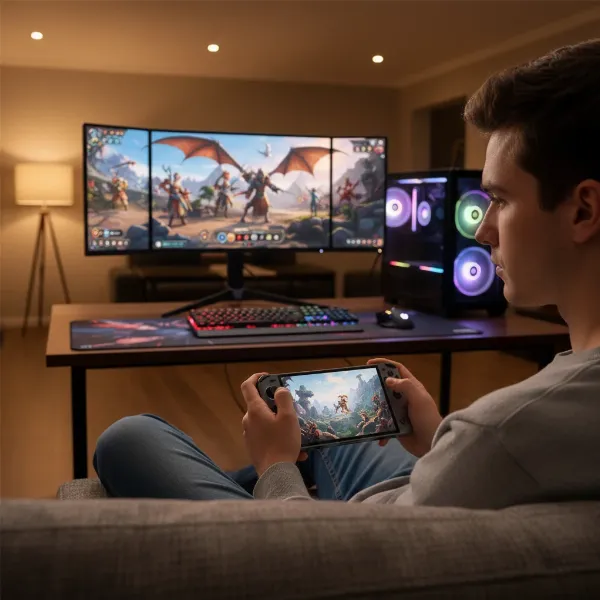
Have you ever found yourself yearning for a dedicated gaming experience that fits in your pocket or backpack, freeing you from the confines of a desktop or TV? Handheld game consoles have evolved dramatically, transforming from simple pixelated devices into powerful machines capable of running AAA titles on the go. This guide will walk you through everything you need to know about these versatile gaming companions, helping you navigate the options and choose the perfect handheld for your adventures.
What is a Handheld Game Console?
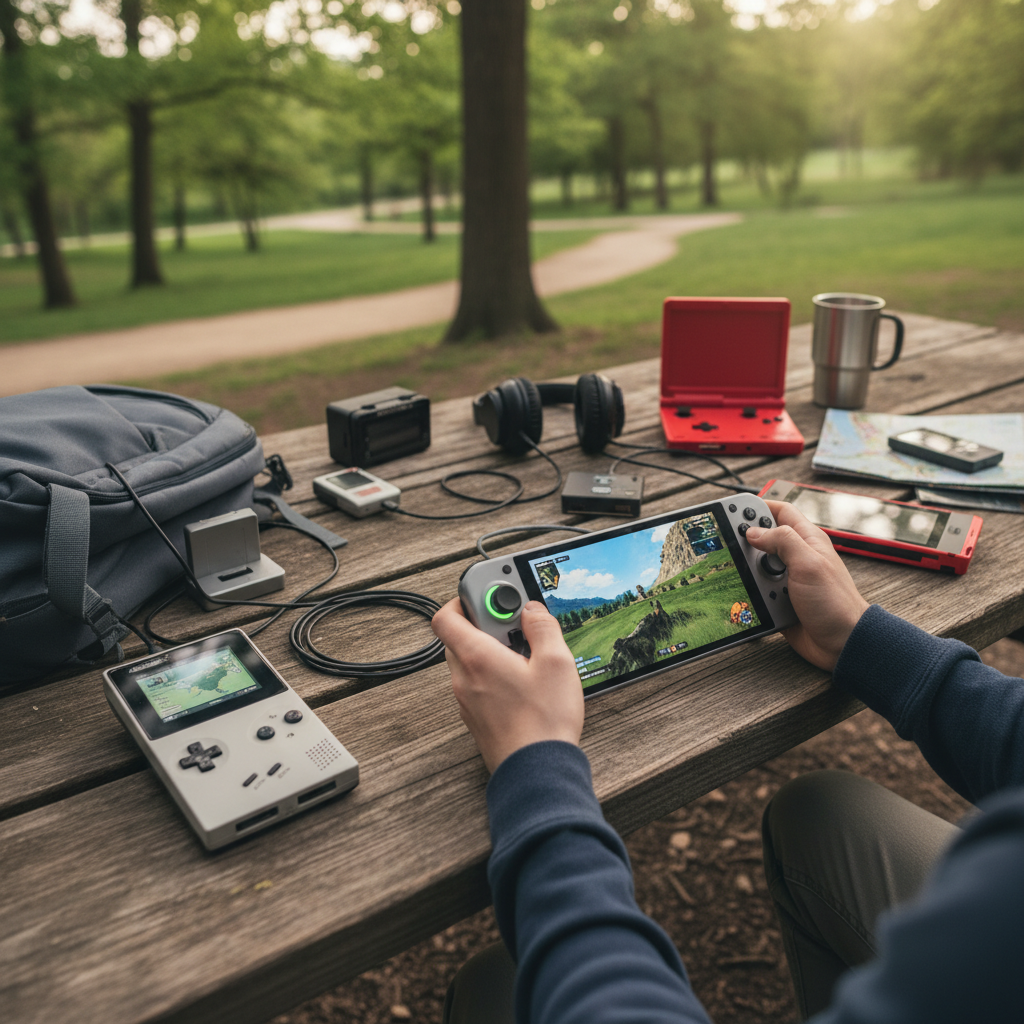
A handheld game console is a self-contained, portable electronic device designed primarily for playing video games. Unlike smartphones or tablets, which offer gaming as a secondary function, handheld consoles are purpose-built for gaming, featuring integrated physical controls such as D-pads, buttons, joysticks, and triggers. Their history traces back to simple electronic games and iconic devices like the Game Boy, evolving through generations to sophisticated systems that rival home consoles in performance and graphical fidelity. The core distinction lies in their dedicated design, offering a focused gaming experience that phones, despite their processing power, often cannot match due to their primary role as communication and multipurpose devices.
Why Choose a Handheld Game Console?
Choosing a handheld game console offers a unique blend of advantages, especially for those who prioritize a dedicated gaming experience and portability. While smartphones offer a vast library of games, handheld consoles provide a specialized environment that many gamers find superior.
Advantages:
- Portability and Convenience: Handheld consoles are designed for gaming on the go, fitting easily into bags and offering seamless play during commutes, travel, or simply moving around the house. Devices like the Nintendo Switch OLED are optimized for quick gaming sessions and easy transport.
- Dedicated Gaming Experience: With physical buttons, ergonomic grips, and optimized software, handhelds deliver a more precise and immersive gaming experience than touchscreen-only mobile devices. This dedicated design often means fewer distractions from notifications that would interrupt gameplay on a phone.
- Exclusive Game Libraries: Many handheld consoles, particularly those from major manufacturers like Nintendo, boast exclusive titles and beloved franchises that are not available on other platforms. This access to unique content is a significant draw for many players.
- Optimized Performance: Handheld consoles are engineered to run games efficiently, often balancing performance with battery life, ensuring a smoother experience than many general-purpose mobile devices.
|
Our Picks for the Best Handheld game console in 2026
As an Amazon Associate I earn from qualifying purchases.
|
||
| Num | Product | Action |
|---|---|---|
| 1 | Handheld Game for Kids -Preloaded 220 Retro Video Games, Portable Gaming Player with Rechargeable Battery 3.0" LCD Screen, Mini Arcade Electronic Toy Gifts for Boys Girls (Blue) |

|
| 2 | R36MAX Retro Handheld Game Console, 4.0 Inch IPS HD Screen Portable Retro Gaming Console, 1.5GHz CPU Support 30+ Emulator Console Video Game Console, 4000mAh Battery (64GB Black) |
|
| 3 | Retro Handheld Game Console of Boy Portable Hand Held Video Games X9 Preloaded Wireless Juegos para Niños Stick TV Pixel Gaming for Kids Sf3000 Plug 'n' Play Drive Systems De Juegos Portátil |
|
| 4 | R36MAX Retro Handheld Game Console, 4.0 Inch 720x720 IPS Screen, 64GB Built-in 18,000+ Classic Game, Portable Hand Held Open Source Linux System, 4000mAh Battery Retro Gaming Console(Black 64GB) |
|
| 5 | R36MAX Handheld Game Console - 4.0-Inch Screen, Support 22000+Classic Games,128G TF Card,Portable Console with Open Source System,4000mAh Battery,Birthday Gift for Adult or Partner - Black |
|
| 6 | R36MAX Retro Handheld Game Console, 4.0 Inch 720x720 IPS Screen, 64GB Built-in 18,000+ Classic Game, Portable Hand Held Open Source Linux System, 4000mAh Battery Retro Gaming Console(White 64GB) |
|
| 7 | 32 Bit Handheld Games for Kids Preloaded 139 Video Games, Portable Video Gaming Player with 3.0" IPS Screen and Rechargeable Battery, Mini Travel Games Electronic Gifts Toys for Boys Girls, Blue |
|
| 8 | Handheld Game for Kids -Preloaded 220 Retro Video Games, Portable Gaming Player with Rechargeable Battery 3.0" LCD Screen, Mini Arcade Electronic Toy Gifts for Boys Girls (Red) |
|
| 9 | ASUS ROG Xbox Ally – 7” 1080p 120Hz Touchscreen Gaming Handheld, 3-month Xbox Game Pass Premium included, AMD Ryzen Z2 A, 16GB RAM, 512GB SSD, White |
|
| 10 | RG56PRO Retro Handheld Game Console - 5.5 Inch IPS Screen,31000+ Classic 3D Games,5000mAh Battery, Open Linux System,Portable Console with 128G TF Card - Birthday Gift for Boyfriend (Black) |
|
Disadvantages:
- Potentially Higher Cost: The initial investment for a dedicated handheld console can be higher than simply using a smartphone, especially for premium PC handhelds.
- Limited Functionality: Unlike a smartphone, a handheld console is primarily for gaming, meaning it doesn’t offer the same multipurpose utility for communication, productivity, or other apps.
- Performance Limitations: While powerful, handhelds generally have limitations compared to high-end gaming PCs or home consoles, which can affect graphical fidelity or frame rates in the most demanding AAA titles.
Popular Types of Handheld Game Consoles
The handheld market is diverse, offering options from casual gaming to high-performance PC experiences. Here’s a look at some of the most popular categories and devices.
Nintendo Switch
The Nintendo Switch family remains a dominant force, known for its versatile hybrid design and iconic first-party titles.
- Nintendo Switch (Standard/OLED): This flagship console can be played handheld, tabletop, or docked to a TV. The OLED model features a vibrant 7-inch OLED screen, offering superior contrast and color. Its strength lies in exclusive titles like The Legend of Zelda and Pokémon, along with a vast library of indie games.
- Pros: Highly versatile, excellent exclusive game library, robust multiplayer options, good battery life (OLED model).
- Cons: Aging hardware compared to PC handhelds, some AAA ports might compromise on graphics or frame rate.
- Nintendo Switch Lite: A smaller, lighter, and more affordable version designed exclusively for handheld play. It lacks TV-out capabilities and detachable Joy-Cons.
- Pros: Extremely portable, comfortable for handheld-only gaming, lower price point.
- Cons: No TV mode, smaller screen, Joy-Cons are not detachable (if drift occurs, entire unit needs repair).
- Nintendo Switch 2 (Anticipated): A successor is expected, rumored to bring hardware upgrades and potentially new features, aiming to address the performance gap with newer PC handhelds.
Steam Deck
Valve’s Steam Deck brought PC gaming to the handheld format, creating a new category of portable powerhouses.
- Valve Steam Deck (OLED): Running on SteamOS (a Linux-based system), the Steam Deck allows access to your entire Steam library on the go. The OLED model significantly improved upon the original with a larger, more vibrant OLED screen, better battery life, and reduced weight. It features unique trackpads alongside traditional controls.
- Pros: Access to a massive PC game library, highly customizable, excellent price-to-performance ratio for a PC handheld, SteamOS is well-optimized for gaming.
- Cons: Larger and heavier than the Switch, some PC games may require tweaking to run optimally, requires a separate dock for TV output.
ASUS ROG Ally
Targeting high-performance Windows gaming, the ROG Ally is a direct competitor in the PC handheld space.
- ASUS ROG Ally (X): This Windows-based handheld offers powerful performance, capable of running demanding AAA games at respectable frame rates. Its key advantage is full Windows compatibility, allowing access to various game launchers, including Xbox Game Pass. The ROG Ally X improves upon the original with more RAM, better thumbsticks, and a larger battery.
- Pros: High performance for modern games, full Windows ecosystem access, supports multiple game stores and services.
- Cons: Windows on a handheld can be challenging to navigate without a mouse and keyboard, battery life can be short with demanding games, potentially runs hot.
AYANEO
AYANEO offers a range of premium PC handhelds known for sleek designs and cutting-edge hardware.
- AYANEO Air 1S / AYANEO 3 / AYANEO Odin 2 Mini: These devices typically run Windows and are characterized by their compact size, premium build quality, and powerful AMD Ryzen chipsets. They often feature high-resolution OLED or miniLED screens and boast superior processing power over the Steam Deck in some configurations. The Odin 2 Mini is particularly noted for its powerful retro emulation capabilities.
- Pros: Cutting-edge performance in a small form factor, premium screens and ergonomics, full Windows compatibility.
- Cons: Significantly more expensive than competitors, battery life can be a concern due to high power draw, can get warm during intense gaming.
Other Options
- Lenovo Legion Go: Features a massive 8.8-inch QHD+ display and detachable controllers, making it highly versatile. It runs Windows and offers strong performance, though the Windows experience on a handheld can be a hurdle.
- Retroid Pocket / Anbernic / Powkiddy: These brands specialize in retro emulation handhelds, offering a wide range of devices from budget-friendly options to more powerful units capable of emulating PlayStation 2, GameCube, and even some Switch titles. They often run on Android or Linux and are praised for their physical controls and community support.
Handheld Game Console Comparison
Choosing the right handheld involves weighing various technical specifications against your personal preferences and budget. Here’s a comparison of key features across popular models.
| Feature | Nintendo Switch OLED | Steam Deck OLED | ASUS ROG Ally X | AYANEO Air 1S | Lenovo Legion Go |
|---|---|---|---|---|---|
| CPU | Custom NVIDIA Tegra X1 | AMD Zen 2 (4c/8t) | AMD Ryzen Z1 Extreme | AMD Ryzen 7 7840U | AMD Ryzen Z1 Extreme |
| GPU | Custom NVIDIA Maxwell | 8 RDNA 2 CUs | AMD RDNA 3 | AMD RDNA 3 | AMD RDNA 3 |
| RAM | 4GB LPDDR4X | 16GB LPDDR5 | 24GB LPDDR5X | Up to 32GB LPDDR5X | 16GB or 32GB LPDDR5X |
| Storage | 64GB (expandable via microSD) | 256GB/512GB/1TB (expandable via NVMe SSD) | 1TB (expandable via M.2 2280 SSD) | Up to 4TB (expandable) | 512GB/1TB/2TB (expandable via NVMe SSD) |
| Screen | 7-inch OLED, 720p, 60Hz | 7.4-inch OLED, 800p, 90Hz | 7-inch IPS, 1080p, 120Hz | 5.5-inch AMOLED, 1080p, 60Hz | 8.8-inch IPS, 1600p, 144Hz |
| Battery Life | 4.5-9 hours | 3-12 hours | 2-3 hours (demanding games) | 1-3 hours (demanding games) | 2-4 hours (demanding games) |
| Operating System | Nintendo OS | SteamOS (Linux) | Windows 11 | Windows 11 | Windows 11 |
| Price (approx.) | $349 | $449-$649 | $799-$999 | $899-$1179+ | $699-$899 |
Buying Guide: How to Choose the Right Handheld Game Console
Selecting your ideal handheld requires a thoughtful assessment of your gaming habits and priorities. With so many options available, here’s how to narrow down your choice.
Determine Your Usage Needs:
- What games do you want to play? For exclusive Nintendo titles and family-friendly games, the Switch is unparalleled. For PC games, the Steam Deck or a Windows handheld (ROG Ally, AYANEO, Legion Go) is essential. If retro emulation is your focus, specialized retro handhelds offer excellent value.
- What performance level do you need? If 30 FPS for modern AAA games is acceptable, a Steam Deck might suffice. For smoother 60+ FPS at higher settings, a more powerful Windows PC handheld will be necessary, though it comes with a higher price tag.
- How important is portability? If pocketability is key, smaller retro handhelds or the Switch Lite are ideal. For a balance of power and portability, the Switch OLED or AYANEO Air 1S works well. Larger devices like the Steam Deck or Legion Go offer a more immersive experience but require a bag.
- What is your budget? Prices vary widely, from under $100 for basic retro handhelds to over $1000 for high-end PC handhelds. Determine what you’re willing to invest, remembering that a slightly higher initial cost might lead to a longer-lasting device.
Key Factors to Consider:
- Performance (CPU, GPU, RAM): These dictate how well games run. For modern AAA games, look for devices with powerful AMD Ryzen Z1 Extreme or 7840U chipsets and ample RAM (16GB+). For retro games, less powerful chipsets are perfectly adequate.
- Screen: The screen is your window to the game. Consider:
- Size: Smaller screens (6-7 inches) are great for portability and battery life; larger screens (8+ inches) offer more immersion.
- Resolution: 1080p is a sweet spot for most handhelds, balancing sharpness with performance.
- Type: OLED panels (Switch OLED, Steam Deck OLED) offer vibrant colors, deep blacks, and excellent contrast. IPS screens are also good, especially with high resolutions.
- Refresh Rate: Higher refresh rates (90Hz, 120Hz) provide smoother gameplay, but consume more battery.
- Battery Life: High-performance handhelds often sacrifice battery life for power, typically lasting 2-3 hours on demanding titles. More efficient devices like the Nintendo Switch can offer 4-6 hours or more.
- Game Library & Ecosystem: Ensure the console supports the games you want to play. This includes platform exclusives, compatibility with digital storefronts (Steam, Epic Games Store, Xbox Game Pass), or the ability to emulate older systems.
- Operating System: SteamOS offers a streamlined, console-like experience. Windows provides maximum compatibility with PC games and applications but can be less optimized for a handheld interface. Android/Linux are common for retro devices, offering flexibility and community support.
- Ergonomics and Controls: Comfort is crucial for extended gaming sessions. Look for a device that feels good in your hands, with well-placed, responsive buttons and joysticks. Some devices, like the Steam Deck, include additional features like trackpads and customizable back paddles.
- Storage: Consider both internal storage and expansion options (microSD cards for most, NVMe SSDs for PC handhelds). Modern games can be very large.
Advice for Specific User Types:
- Casual Gamer / Nintendo Fan: Nintendo Switch OLED or Switch Lite.
- PC Gamer on the Go (Budget-conscious): Steam Deck OLED.
- PC Gamer on the Go (Performance & Versatility Focus): ASUS ROG Ally X or Lenovo Legion Go.
- Retro Gaming Enthusiast: Retroid Pocket, Anbernic, or a powerful device like the AYANEO Odin 2 Mini.
Top Picks: The Best Handheld Game Consoles Right Now
Based on performance, features, and value, here are some of the top handheld game consoles available today.
Best Overall Value: Steam Deck OLED
The Steam Deck OLED stands out for its fantastic balance of price, performance, and an enormous game library. With its vibrant OLED screen, improved battery life, and SteamOS optimization, it offers an unparalleled portable PC gaming experience. You get access to nearly your entire Steam library, making it a compelling choice for many.
Best for Exclusives & Versatility: Nintendo Switch OLED
For those who prioritize Nintendo’s iconic first-party titles and the flexibility of playing both handheld and on a TV, the Switch OLED is the undisputed champion. Its gorgeous OLED display makes games like The Legend of Zelda: Tears of the Kingdom shine, and its modular design is incredibly adaptable.
Best for Raw Power & Windows Gaming: ASUS ROG Ally X
If you crave the highest performance for modern AAA games and want the full flexibility of Windows, including Xbox Game Pass, the ASUS ROG Ally X is a top contender. It packs a punch with its powerful hardware, offering a true portable PC gaming experience.
Best for Premium Compact PC Gaming: AYANEO Air 1S
For gamers seeking a premium, highly portable PC handheld with a stunning display and cutting-edge performance in a smaller form factor, the AYANEO Air 1S is an excellent, albeit expensive, choice. Its compact design doesn’t compromise on power, delivering a high-end experience.
Tips and Tricks for Using Your Handheld Game Console
Maximizing your handheld gaming experience involves a few smart practices, whether it’s optimizing performance or managing your game library.
Optimize Performance and Battery Life:
- Adjust Graphics Settings: For PC handhelds, lowering in-game graphics settings can significantly improve frame rates and extend battery life. Many games offer a “performance” preset that balances visuals with fluidity.
- Manage TDP/Power Profiles: Devices like the Steam Deck, ROG Ally, and AYANEO allow you to adjust the Thermal Design Power (TDP) or power profiles. Lowering TDP reduces power consumption, extending battery life at the cost of some performance.
- Screen Brightness and Refresh Rate: Reducing screen brightness and using a lower refresh rate (e.g., 60Hz instead of 90Hz or 120Hz) can noticeably improve battery longevity.
- Close Background Apps: Ensure no unnecessary applications are running in the background, especially on Windows-based handhelds, as they can consume valuable resources.
Game Installation and Management:
- External Storage: Utilize microSD cards (for Switch and many retro handhelds) or external SSDs (for PC handhelds) to expand your storage, allowing you to carry a larger library of games. Samsung EVO Select microSD cards are a popular choice for reliable performance.
- Organize Your Library: Use the built-in library features (Steam, EmuDeck) or custom front-ends on retro handhelds to keep your games organized and easily accessible.
- Firmware Updates: Regularly check for and install firmware updates for your console. These updates often bring performance improvements, bug fixes, and new features.
Connectivity and Peripherals:
- Connect to TV: Many handhelds can connect to a TV via a dock or USB-C to HDMI adapter, transforming your portable into a home console experience. Docks like the JSAUX 6-in-1 offer multiple ports for a complete setup.
- External Controllers: For docked play or local multiplayer, consider connecting external controllers via Bluetooth or USB.
- Troubleshooting: If you encounter issues, a quick restart often resolves minor glitches. Check online forums or the manufacturer’s support for common problems and solutions.
Handheld Game Console Accessories
Enhance your gaming setup and protect your investment with a range of essential accessories.
- Docks: A docking station (e.g., JSAUX, UGREEN) is invaluable for connecting your handheld to a TV, monitor, or external peripherals. They typically include HDMI output, USB ports, and Ethernet, alongside passthrough charging.
- Carrying Cases: Protect your console from bumps, drops, and scratches while traveling. Brands like tomtoc offer multi-platform cases with ample storage for accessories.
- Screen Protectors: A tempered glass screen protector is crucial for safeguarding your display from scratches and impacts, especially given the portable nature of these devices. JSAUX offers reliable options.
- MicroSD Cards / SSDs: Expand your game library with additional storage. High-speed microSD cards are essential for Switch and retro handhelds, while NVMe SSDs are often used for PC handhelds.
- Thumb Grips: Small but impactful, these improve control precision and comfort, reducing finger fatigue during long gaming sessions. Skull & Co. grips are highly rated.
- Power Banks: For extended gaming sessions away from an outlet, a powerful portable charger (65W or more for PC handhelds) is a must-have.
- Right-Angle USB-C Adapters: These small adapters can protect your console’s USB-C port by directing the charging cable along the back of the device, reducing strain.
“The true magic of handheld gaming lies not just in the hardware, but in the freedom it grants to play your favorite titles wherever life takes you, seamlessly blending into your daily rhythm.” – Admin, ReviewGeri.com
Conclusion
Handheld game consoles offer a compelling and increasingly powerful way to enjoy your favorite games on the go. From the exclusive worlds of the Nintendo Switch to the vast PC libraries playable on devices like the Steam Deck and ROG Ally, there’s a perfect portable companion for every type of gamer. By carefully considering your gaming preferences, desired performance, and budget, you can select a device that not only meets but exceeds your expectations. With the right handheld, supported by a few essential accessories, you unlock a world of immersive entertainment that travels with you.
Which handheld game console will be your next gaming adventure companion?
Câu Hỏi Thường Gặp
How long do handheld game console batteries typically last?
Battery life varies significantly based on the console’s power and the game being played. High-performance PC handhelds running demanding AAA games might only last 1-3 hours, while more efficient consoles like the Nintendo Switch can offer 4-9 hours of playtime. Adjusting settings like screen brightness and power profiles can help extend battery life.
Can handheld game consoles connect to a TV or external monitor?
Many modern handheld game consoles, including the Nintendo Switch, Steam Deck, ASUS ROG Ally, and Lenovo Legion Go, can connect to a TV or external monitor. This usually requires a compatible dock or a USB-C to HDMI adapter, transforming the portable device into a more traditional home console experience.
Are handheld game consoles better for gaming than smartphones?
For a dedicated gaming experience, handheld consoles generally offer superior advantages over smartphones. They provide physical controls for better precision, are free from notification distractions, preserve phone battery, and feature optimized hardware and software specifically for gaming, often with exclusive titles.
What is the difference between a retro handheld and a modern PC handheld?
Retro handhelds are designed primarily for emulating older console games (e.g., SNES, PS1, GameCube) and are typically more affordable and less powerful. Modern PC handhelds, like the Steam Deck or ROG Ally, are powerful enough to run contemporary PC AAA titles, often at a higher cost and with more advanced hardware.
Should I prioritize screen quality or battery life?
The choice between screen quality and battery life depends on your priorities. OLED screens offer vibrant colors and deep blacks, enhancing visual immersion but potentially consuming more power. Prioritizing battery life might mean opting for a slightly less dazzling display or lowering brightness and refresh rates to extend playtime.